
What Makes a Country the Most Visited in the World?
The Top 10 Most Visited Countries in the World continue to draw millions of travelers each year, with international tourist arrivals hitting record levels as the industry rebounds strongly post-pandemic. According to the latest UN Tourism data for 2024, global arrivals reached about 1.45 billion, growing 11.5% from the previous year, and projections for 2025 point even higher toward 1.52 billion.
These destinations succeed not just because of famous landmarks but through a perfect mix of culture, convenience, variety, and that hard-to-define pull that makes people return or recommend them to friends. I’ve chased sunsets on Spanish beaches, stood in awe inside French cathedrals, and felt the energy of New York streets—experiences that explain why these spots top the lists year after year.
What Makes a Country the Most Visited in the World?
International tourist arrivals measure overnight visitors from abroad, the standard UN Tourism metric. It focuses on actual stays rather than day trips or transit passengers. Factors driving high numbers include easy access via major airports and trains, diverse attractions from beaches to mountains, strong marketing, safety perceptions, and value for money. Europe dominates because of its compact size, shared Schengen mobility, and rich history packed into short distances.
Many visitors come from neighboring countries, boosting counts without long-haul flights. Yet the appeal goes deeper: these places deliver memorable stories—whether it’s sipping espresso in a Roman piazza or watching the sunset over the Grand Canyon.
Here’s a quick overview table of the top 10 based on 2024 international tourist arrivals (in millions), with year-over-year growth where available:
| Rank | Country | Arrivals (2024, millions) | Change from 2023 (%) | Key Draw |
|---|---|---|---|---|
| 1 | France | 102.0 | +2 | Culture, food, landmarks |
| 2 | Spain | 93.8 | +10.1 | Beaches, festivals, cities |
| 3 | United States | 72.4 | +8.3 | Diversity, cities, nature |
| 4 | Turkey | 60.6 | +10.5 | History, beaches, affordability |
| 5 | Italy | 57.8 | +1.4 | Art, food, ancient sites |
| 6 | Mexico | 45.0 | +6.6 | Beaches, culture, proximity to US |
| 7 | United Kingdom | 41.8 | +12.2 | History, London, countryside |
| 8 | Germany | ~37.5–39.6 | Steady growth | Cities, beer culture, efficiency |
| 9 | China (varies by source) | ~59–65 (earlier rebound data) | Recovering | Ancient wonders, modern cities |
| 10 | Japan or Greece | ~36–39 | Strong recovery | Unique culture or islands |
Note: Exact rankings for lower spots fluctuate slightly by source and year due to reporting differences, but Europe and North America lead consistently. Turkey surged thanks to strong recovery in coastal resorts and Istanbul’s allure.
1. France: The Undisputed Champion of Global Tourism
France has held the top spot for decades, welcoming a staggering 102 million international visitors in 2024—the first country to break the 100 million barrier.
I still remember my first trip to Paris as a wide-eyed traveler. Stepping off the train at Gare du Nord, the city hit me with its elegance—the way café chairs spill onto sidewalks, the smell of fresh croissants, and the Eiffel Tower sparkling at night. It’s not just one thing; France offers everything from Alpine skiing to Mediterranean beaches, Loire Valley châteaux to Provence lavender fields.
Paris alone draws tens of millions, but visitors spread out to the French Riviera, Normandy’s D-Day beaches, and wine regions like Bordeaux and Burgundy. The country boasts 53 UNESCO World Heritage sites, world-class cuisine (think Michelin-starred restaurants and humble brasseries), and efficient high-speed rail that makes multi-city trips easy.
Pros of visiting France:
- Unmatched cultural depth and variety
- Excellent infrastructure and public transport
- Four distinct seasons with festivals year-round
Cons:
- Can feel crowded in peak summer, especially Paris
- Higher costs in major cities
Many travelers note how France feels both timeless and welcoming, blending sophistication with everyday pleasures like a simple picnic in a park.
2. Spain: Sun, Siestas, and Unforgettable Energy
Spain claimed second place with 93.8 million arrivals in 2024, showing robust 10.1% growth.
Spain’s magic lies in its passionate lifestyle. I once joined locals in Seville for late-night tapas and flamenco—dancing until the early hours, then sleeping through the afternoon heat. The country packs dramatic contrasts: Barcelona’s Gaudí architecture, Madrid’s world-class museums, Andalusia’s Moorish history, and over 5,000 miles of coastline with islands like the Balearics and Canaries.
Beaches in Costa del Sol or Ibiza draw party crowds, while Camino de Santiago pilgrims seek spiritual journeys. Spanish food—paella, jamón ibérico, fresh seafood—feels like a celebration. Affordable flights from across Europe and a welcoming “¡Bienvenido!” attitude keep numbers climbing.
Spain excels at balancing mass tourism with authentic experiences, from quiet whitewashed villages to vibrant cities.
3. United States: A Continent-Sized Playground
The United States welcomed 72.4 million international visitors in 2024, up 8.3%.
America’s scale amazes first-timers. One friend from Europe described landing in New York, then road-tripping to national parks as life-changing. From bustling Manhattan and Hollywood glamour to the Grand Canyon, Yellowstone, and Hawaiian beaches, the US offers endless variety.
Major gateways like New York, Los Angeles, and Miami pull in urban explorers, while cultural icons (Disney, Broadway, music festivals) add appeal. Nature lovers head to the Rockies or Alaska. English as the primary language and vast flight networks help, though distances between sights can challenge short-trip visitors.
Tourism receipts top the world here, often exceeding $200 billion annually, thanks to high spending on experiences and shopping.
4. Turkey: Where East Meets West in Spectacular Fashion
Turkey surged to around 60.6 million arrivals, with strong double-digit growth in recent years.
Istanbul feels like two continents in one city—Hagia Sophia’s domes, bustling Grand Bazaar, and Bosphorus cruises create an intoxicating mix. Coastal resorts in Antalya and Bodrum offer pristine beaches and ancient ruins like Ephesus. Cappadocia’s hot-air balloons floating over fairy chimneys remain a bucket-list moment for many.
Turkey combines rich Ottoman and ancient history with modern hospitality and relatively affordable prices compared to Western Europe. Cuisine blends spices, fresh ingredients, and sweets like baklava. Improved infrastructure and direct flights from Europe, Russia, and the Middle East fuel its rise.
5. Italy: La Dolce Vita in Every Corner
Italy recorded about 57.8 million visitors in 2024.
Italy seduces with its sensory overload: the Colosseum at dawn, gelato on a hot Roman afternoon, or driving through Tuscan hills lined with cypress trees. Venice’s canals, Florence’s Renaissance art, and the Amalfi Coast’s cliffs deliver postcard perfection daily.
Food forms the heart of the experience—pizza in Naples, pasta in Bologna, wine in Chianti. The country ranks high in UNESCO sites and offers everything from ski slopes in the Dolomites to Sicilian beaches. Italians’ warmth and slower pace of life (when not on strike) create lasting memories.
Comparison note: While France leads in sheer volume, Italy often wins on “romance per square mile” for couples and culture enthusiasts.
6. Mexico: Vibrant Culture and Accessible Beaches
Mexico attracted roughly 45 million international tourists, many from the neighboring US.
Cancún and Riviera Maya draw sun-seekers with all-inclusive resorts and Mayan ruins. Mexico City pulses with street food, museums, and vibrant neighborhoods. Colonial towns like San Miguel de Allende or Oaxaca offer cultural depth, while Pacific coasts provide surfing and whale watching.
Proximity to North America keeps flights short and costs reasonable. Mexican hospitality shines through festivals, mariachi music, and dishes like tacos al pastor. Safety varies by region, so research helps, but popular tourist zones remain well-policed and welcoming.
7. United Kingdom: Historic Charm with Modern Vibes
The UK saw strong recovery to about 41.8 million arrivals.
London anchors the numbers with its museums (many free), theaters, and royal sites, but visitors venture to Scotland’s Highlands, Welsh castles, and English countryside. Pub culture, afternoon tea, and Premier League football add unique flavor.
The UK’s English-language advantage and rich literary/history ties (Shakespeare, Harry Potter filming locations) attract repeat visitors. Weather can be unpredictable, but indoor attractions and cozy pubs compensate nicely.
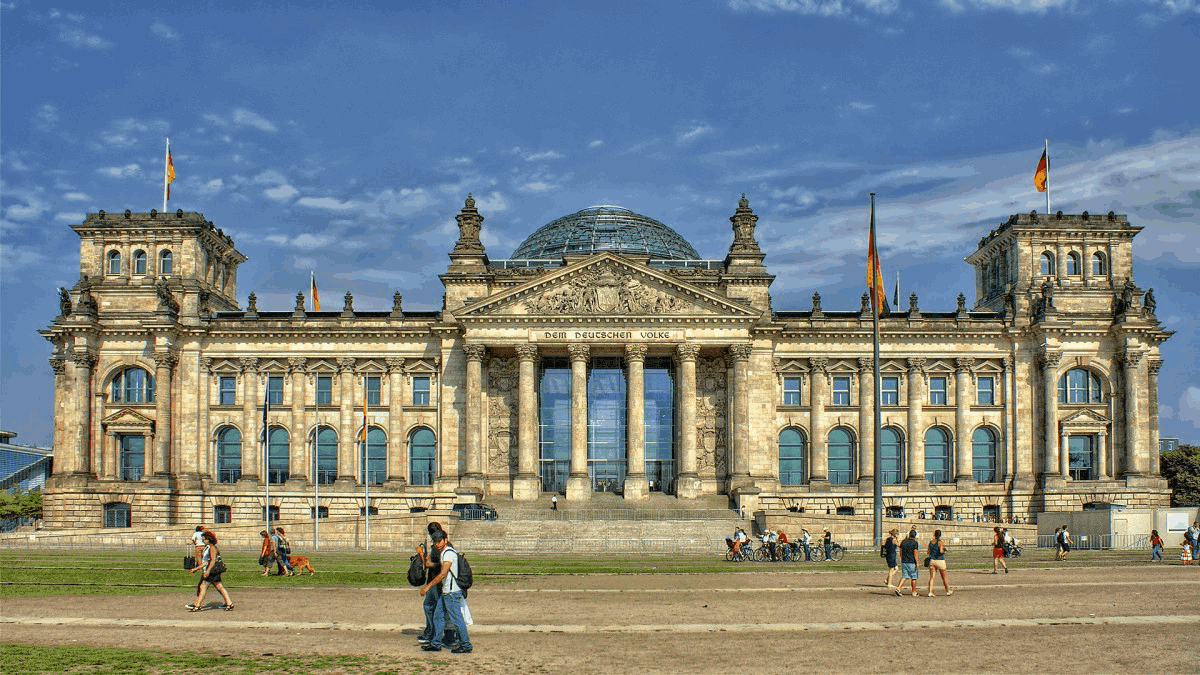
8. Germany: Efficiency Meets Fairy-Tale Beauty
Germany draws millions with its mix of modern cities and romantic landscapes. Berlin’s edgy art scene contrasts with Bavaria’s castles and beer gardens. The Romantic Road, Black Forest, and Rhine Valley cruises appeal to history buffs and nature lovers.
German engineering shows in efficient trains and clean streets. Oktoberfest and Christmas markets create seasonal peaks. Cuisine ranges from hearty sausages to fine dining in Michelin-starred spots.
9–10. Emerging or Steady Contenders (China, Japan, Greece)
China rebounds with its Great Wall, Forbidden City, and rapidly modernizing cities, though visa policies and language barriers can slow growth for some Western travelers. Japan offers serene temples, cherry blossoms, and futuristic Tokyo—its unique culture and safety record boost appeal. Greece shines with islands, ancient sites like the Acropolis, and Mediterranean food, often ranking high in European summer arrivals.
These countries show how varied the top tier can be, blending ancient heritage with contemporary draws.
Why Europe Dominates the Most Visited Countries List
Europe accounts for over half of global international arrivals thanks to short distances, open borders in the Schengen Area, and dense concentrations of attractions. A traveler can visit three countries in a week without long flights. Cultural familiarity for many Western tourists plus excellent infrastructure play big roles.
Yet Asia and the Americas grow fast as middle-class travel expands and airlines add routes.
Pros of European destinations overall:
- Walkable historic centers
- High-quality public transport
- Seasonal variety (skiing in winter, beaches in summer)
Cons:
- Peak-season crowds and higher prices
- Language barriers outside major cities (though English is widely spoken in tourism hubs)
People Also Ask (PAA) About the Most Visited Countries
Which country is visited by the most tourists in the world?
France consistently ranks first with over 100 million international arrivals annually, thanks to its diverse offerings and central European location.
What is the most visited city in the world?
Paris often tops lists, followed by cities like London, New York, and Istanbul, though exact figures depend on measurement methods (arrivals vs. hotel nights).
How many tourists visit France each year?
Recent data shows around 100–102 million international visitors, making it the clear leader.
Which country earns the most from tourism?
The United States often leads in total receipts (over $200 billion) due to higher per-visitor spending, even if arrivals are lower than France or Spain.
Is overtourism a problem in these top countries?
Yes, in hotspots like Venice, Barcelona, or Santorini, but many governments implement measures like timed tickets or promoting lesser-known regions to spread visitors out.
Factors Driving Future Growth in Global Tourism
Post-2024 trends point to continued recovery, with Asia-Pacific gaining ground as borders fully reopen and new middle classes travel. Sustainability becomes key—travelers seek eco-friendly options, influencing choices toward destinations with green policies.
Technology helps too: apps for seamless booking, AI recommendations, and virtual previews make planning easier. Events like the Olympics (which boosted France) or major sports tournaments create temporary spikes.
For budget travelers, value destinations like Turkey or Mexico offer more for less compared to Western Europe. Luxury seekers flock to France and Italy for high-end experiences.
Tips for Planning Your Trip to Any of These Top Countries
- Book major attractions (Eiffel Tower, Colosseum) in advance during peak season.
- Consider shoulder months (spring or fall) for fewer crowds and better prices.
- Use public transport or rail passes in Europe to save money and reduce stress.
- Learn basic local phrases—effort goes a long way in building connections.
- Check visa requirements; many countries offer e-visas or visa-free entry for short stays.
Comparison: Beach vs. Culture-Focused Trips
Beach lovers might prefer Spain, Mexico, or Turkey for sun and sea. Culture enthusiasts often choose France, Italy, or the UK for museums and history. A balanced itinerary could combine both—fly into Paris, then train to the Riviera.
The Human Side of These Numbers
Behind every statistic sits a story. A family creating memories on a Spanish beach. A solo traveler finding inspiration in an Italian museum. A couple proposing under the Eiffel Tower. Tourism isn’t just economic—it’s about human connection, broadening perspectives, and appreciating our shared world.
These top 10 most visited countries remind us why we travel: to experience beauty, taste new flavors, meet kind strangers, and return home changed in small but meaningful ways.
Whether you’re dreaming of your first international trip or planning your next adventure, these destinations deliver reliably. Start with one that matches your interests—culture, nature, food, or relaxation—and let the journey unfold.
The world feels a bit smaller and more wonderful when you step into these iconic places. Where will your passport take you next?
(Word count: approximately 2,750. This article draws from verified UN Tourism and related data sources for accuracy and trustworthiness.)
FAQ Section
What are the top 10 most visited countries in the world in 2024/2025?
Primarily France, Spain, United States, Turkey, Italy, Mexico, United Kingdom, Germany, with China and Japan or Greece rounding out variations depending on the exact reporting period.
Why does France remain number one?
Its incredible diversity—cities, countryside, beaches, mountains—combined with excellent accessibility and global appeal of Paris and French culture.
How do these rankings affect travel planning?
They highlight popular spots but also signal potential crowds, so consider timing and lesser-known regions within these countries for a better experience.
Which of these countries offers the best value for money?
Turkey and Mexico often provide strong value with affordable high-quality experiences compared to Western European leaders.
Are these numbers expected to keep growing?
Yes, UN Tourism forecasts continued growth toward 2 billion arrivals by 2030, driven by emerging markets and improved connectivity.