
Japan Travel Guide: Best Places to Visit in Japan
I still remember stepping off the plane at Narita that first time, jet-lagged and wide-eyed, wondering if the real Japan would live up to the postcards and anime I’d grown up with. It did—and then some. The blend of ancient temples tucked beside neon skyscrapers, the quiet bow of a shopkeeper, and the burst of flavor from street food that costs less than a coffee back home hit me hard. Japan isn’t just a destination; it’s a place that quietly rearranges how you see the world. Whether you’re chasing cherry blossoms, hunting for the perfect bowl of ramen, or simply craving a moment of zen amid the chaos, this country delivers in ways that feel personal and profound.
If you’re planning your first (or fifth) trip, the sheer number of incredible spots can overwhelm you. That’s why I’ve put together this detailed guide focusing on the best places to visit in Japan. I’ll draw from my own travels across multiple seasons, conversations with locals, and practical lessons learned the hard way—like missing the last shinkansen because I lingered too long over matcha. We’ll cover must-see icons, practical tips, hidden corners, and how to build an unforgettable itinerary. Let’s dive in, one unforgettable destination at a time.
Why Japan Should Top Your Travel List
Japan offers something for every traveler: futuristic cities that pulse with energy, serene landscapes that invite reflection, and a cultural depth rooted in centuries of tradition. The efficiency of its public transport makes getting around feel effortless, while the food scene alone could justify the flight. I’ve stood in awe at Mount Fuji at dawn and laughed until my sides hurt watching salarymen belt out karaoke in tiny rooms. This guide helps you prioritize so your trip feels curated, not rushed.
Best time to visit Japan depends on what moves you. Spring (late March to early April) brings cherry blossoms, though crowds peak and prices rise. Autumn (October to November) offers fiery foliage with milder crowds and comfortable weather. Summer means festivals but heat and humidity, while winter delivers snow-covered temples and onsen soaking without the throngs. Shoulder seasons often strike the best balance for first-timers.
Tokyo: The Electric Heart of Modern Japan
Tokyo hits you like a sensory overload in the best possible way—blaring lights in Shibuya, quiet shrines in back alleys, and vending machines that sell everything from hot coffee to umbrellas. As Japan’s capital and largest city, it perfectly captures the country’s ability to honor the past while racing into the future.
I once got lost in Shinjuku at midnight and ended up in a tiny izakaya where the owner poured me sake and shared stories about post-war reconstruction. That unplanned night taught me more about Japanese resilience than any guidebook.
Top things to do in Tokyo include crossing the famous Shibuya Scramble, visiting the historic Senso-ji Temple in Asakusa, and exploring the quirky pop culture of Akihabara. Don’t miss Meiji Shrine for a peaceful forest walk right in the city center or teamLab Planets for immersive digital art that feels otherworldly.
- Harajuku and Takeshita Street: Street fashion, crepes, and people-watching heaven.
- Tsukiji Outer Market: Fresh sushi and seafood straight from the source (the inner market moved, but the vibe remains).
- Odaiba: Futuristic waterfront with giant Gundam statue and shopping malls.
Tokyo rewards slow exploration. Spend at least 4-5 days here to avoid burnout.
Kyoto: Timeless Beauty and Traditional Soul
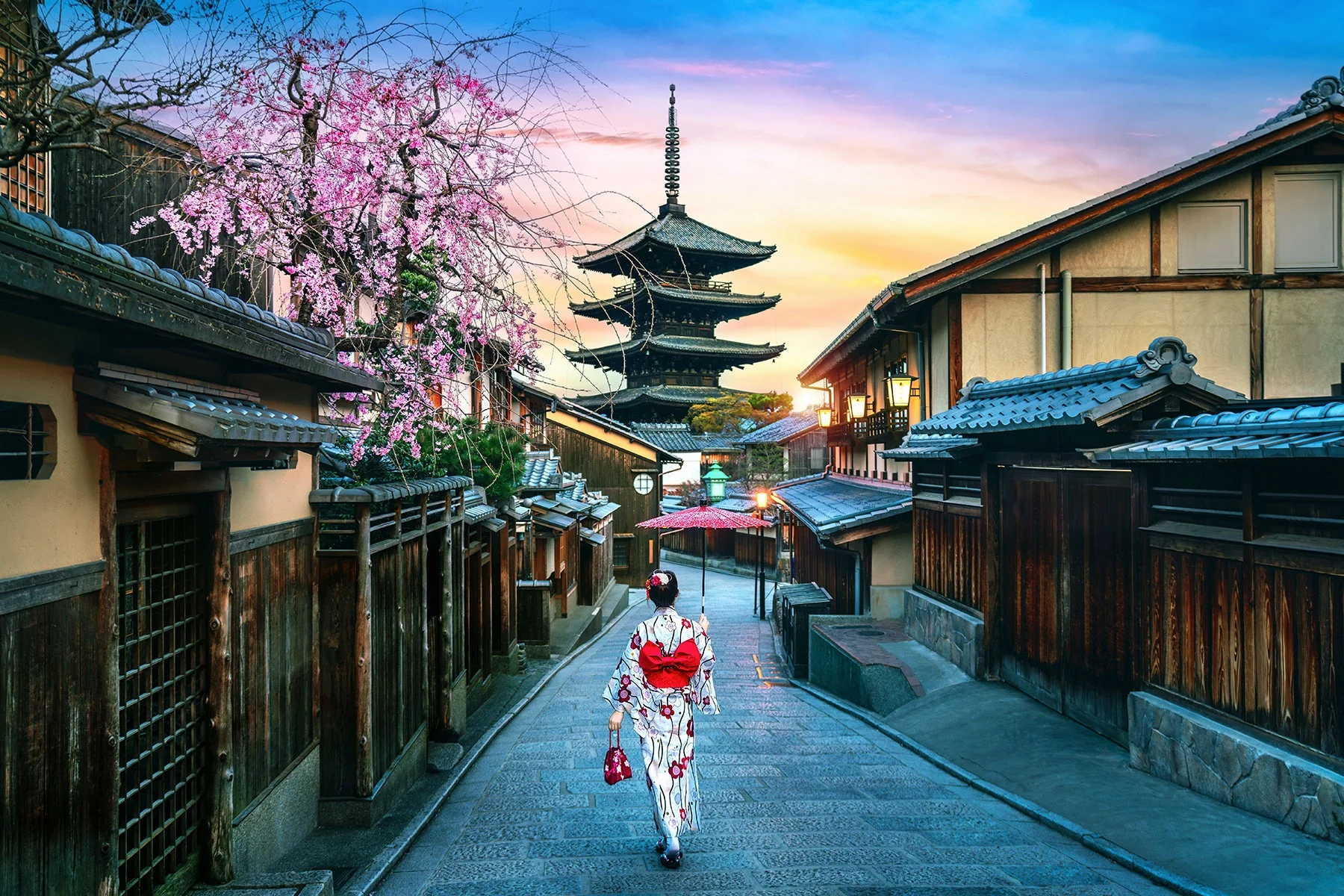
If Tokyo is Japan’s heartbeat, Kyoto is its soul. Once the imperial capital for over a thousand years, this city feels like stepping into a living museum with over 2,000 temples and shrines. Yet it’s no relic—geisha still walk the streets of Gion at dusk, and teahouses serve matcha with quiet grace.
During one autumn visit, I hiked up to Kiyomizu-dera at sunrise. The wooden stage overlooking the city, framed by red maple leaves, left me speechless. Moments like that remind you why people fall hard for Kyoto.
Essential Kyoto experiences center around Fushimi Inari Shrine with its thousands of red torii gates, the golden pavilion of Kinkaku-ji, and Arashiyama’s bamboo grove. Wander Philosopher’s Path in cherry blossom season or rent a kimono for an authentic feel.
- Nishiki Market: “Kyoto’s Kitchen” for pickles, sweets, and street eats.
- Gion District: Evening walks hoping for a geisha sighting (respectfully, of course).
- Day trip to Nara: Feed sacred deer and visit the massive Todaiji Temple.
Kyoto shines brightest in spring and fall. Book accommodations early, as this is one of Japan’s most visited cities.
Osaka: Japan’s Food Capital and Friendly Vibes
Osaka earns its nickname as “Japan’s Kitchen” with good reason. Locals here live by the motto “kuidaore”—eat until you drop. The energy feels more laid-back than Tokyo, with a warmth that makes solo travelers feel welcome.
My first takoyaki experience in Dotonbori involved a street vendor laughing at my clumsy attempts to flip the octopus balls. He handed me a perfect one with a wink, and suddenly I understood why food brings people together here.
Must-do in Osaka revolves around the neon-lit Dotonbori canal for nighttime views, Osaka Castle for history, and Universal Studios Japan for theme park thrills. The food scene dominates—try okonomiyaki, kushikatsu, and fresh seafood at Kuromon Market.
Pros of visiting Osaka:
- Incredible street food at affordable prices
- Excellent base for day trips to Kyoto, Nara, and Kobe
- Lively nightlife without Tokyo-level intensity
Cons:
- Can feel less “polished” than other cities
- Fewer traditional temples compared to Kyoto
Allocate 2-3 days, using it as a hub for Kansai exploration.
Mount Fuji and Hakone: Iconic Views and Natural Serenity
No Japan trip feels complete without seeing Mount Fuji, the country’s sacred symbol. Whether you climb it (summer only, and it’s no easy feat) or admire it from afar, the perfect cone shape against the sky never disappoints.
I once stayed in a ryokan in Hakone during autumn. Soaking in an outdoor onsen with Fuji peeking through the mist felt like pure magic—until a monkey wandered by, reminding me nature rules here.
Best ways to experience Mount Fuji include the Five Lakes area (Kawaguchiko for classic views), Hakone for onsen and ropeways, or a shinkansen ride where it suddenly appears. Check weather apps obsessively—Fuji loves hiding in clouds.
- Lake Kawaguchiko: Best photography spots and seasonal festivals.
- Hakone Ropeway: Volcanic valleys and views over Lake Ashi.
- Climbing season: July to early September for the official trails.
Combine with Tokyo for an easy side trip. Early mornings or late afternoons often yield clearer views.
Hiroshima and Miyajima: Reflection, Peace, and Floating Torii
Hiroshima carries profound historical weight, yet it radiates hope and resilience. The Peace Memorial Park and Museum tell a story that every visitor should witness, balanced by the city’s modern revival and friendly atmosphere.
Crossing to Miyajima Island feels like entering another realm. The iconic “floating” torii gate of Itsukushima Shrine, especially at high tide, is breathtaking. Wild deer roam freely, and the island’s trails offer quiet escapes.
A local I met near the Atomic Bomb Dome shared how his grandfather survived and helped rebuild. His quiet pride in the city’s peace message stayed with me long after.
Key sites:
- Hiroshima Peace Memorial Museum (go early to process emotionally).
- Miyajima’s hiking trails and oyster restaurants.
- Optional day trip to nearby Himeji Castle, one of Japan’s most stunning feudal structures.
Spend 1-2 nights here. It’s easily reachable from Osaka or Kyoto via shinkansen.
Nara: Ancient Capital and Friendly Deer
Just a short train ride from Kyoto or Osaka, Nara offers a relaxed pace with deep history. As Japan’s first permanent capital, it boasts UNESCO-listed temples and the famous Nara Park, where hundreds of deer bow for treats.
I bought deer crackers and watched a particularly bold one “bow” back at me before stealing the whole packet. The laughter from nearby families made the moment perfect.
Highlights include Todaiji Temple with its giant bronze Buddha and Kasuga Taisha Shrine with its lantern-lined paths. The park itself feels like a living museum.
Nara makes an ideal half-day or full-day trip. Combine with Kyoto for seamless travel.
Hidden Gems and Off-the-Beaten-Path Spots in Japan
While the Golden Route (Tokyo-Kyoto-Osaka) covers the essentials, venturing beyond reveals Japan’s quieter magic. Places like Kanazawa offer preserved geisha districts and stunning gardens without Kyoto’s crowds. Takayama in the Japanese Alps feels like old Japan, with morning markets and sake breweries.
Further afield, Yakushima’s ancient cedar forests inspired Studio Ghibli films, while the Iya Valley in Shikoku delivers dramatic gorges and vine bridges. Hokkaido in winter means powder snow and hot pot feasts; Okinawa brings tropical beaches and unique Ryukyu culture.
One of my favorite lesser-known stops was Shirakawa-go, a village of thatched-roof farmhouses that glow under snow. Staying overnight in a minshuku (family-run inn) gave me a glimpse into rural life that big cities can’t match.
Comparison of popular vs. hidden spots:
| Aspect | Popular Spots (Tokyo/Kyoto) | Hidden Gems (Kanazawa/Shirakawa-go) |
|---|---|---|
| Crowds | High, especially peak season | Lower, more intimate experiences |
| Cost | Higher accommodation | Often more affordable |
| Atmosphere | Energetic/immersive | Serene/authentic rural |
| Accessibility | Excellent transport | Requires more planning |
These spots add depth to any itinerary. Consider adding 2-3 days for one or two.
Building Your Perfect Japan Itinerary
For first-timers, a classic 2-week Japan itinerary works wonders: 4-5 days Tokyo, side trip to Hakone/Fuji, 4-5 days Kyoto with Nara day trip, 2 days Hiroshima/Miyajima, and 2-3 days Osaka. This covers contrasts between urban buzz and traditional calm.
Adjust based on interests—foodies linger in Osaka, nature lovers head to the Alps or Hokkaido. Use a Japan Rail Pass for shinkansen travel if crossing regions. Download apps like Hyperdia or Google Maps for navigation, and get an IC card (Suica or Pasmo) for local trains and buses.
Pros of the Golden Route:
- Efficient travel times
- Mix of modern and traditional
- Easy English signage in major spots
Cons:
- Can feel crowded
- Misses regional diversity
Extend to 3 weeks if you want to include Kanazawa, the Alps, or Kyushu.
Practical Travel Tips for Japan
Master basic etiquette: remove shoes indoors, don’t eat while walking, and use quiet voices on public transport. Cash is still king in many places, though cards are gaining ground. Learn a few phrases—”arigatou gozaimasu” goes a long way.
What to pack: Comfortable walking shoes (you’ll log serious steps), portable WiFi or eSIM, and a reusable chopstick set for eco-points. Respect queues and personal space—they matter here.
For best tools for planning, use Japan-guide.com for reliable info, Booking.com or Rakuten Travel for stays, and Visit Japan Web for immigration. Hyperdia helps with train schedules.
People Also Ask (PAA)
Is 2 weeks enough for Japan?
For first-timers focusing on the main islands, yes—it lets you experience Tokyo, Kyoto, and a few side trips without exhaustion. Longer stays unlock deeper regional exploration.
What is the best month to visit Japan?
March-April for cherry blossoms or October-November for autumn leaves and pleasant weather. Avoid Golden Week in late April/early May due to massive domestic travel.
Do I need a Japan Rail Pass?
Yes, if your itinerary involves multiple shinkansen rides between cities. Calculate costs beforehand—it’s often a money-saver for 7, 14, or 21 days.
Is Japan expensive to visit?
It can be, especially during peak seasons, but budget options abound. Mid-range travelers spend $100-200 USD per day including food, transport, and lodging. Street food and capsule hotels keep costs down.
Can you visit Japan without speaking Japanese?
Absolutely. Major tourist areas have English signs, menus with pictures, and helpful locals. Translation apps handle the rest.
FAQ: Common Questions About Visiting Japan
What are the absolute must-visit places in Japan for first-timers?
Prioritize Tokyo for modern energy, Kyoto for tradition, Mount Fuji for iconic views, and Osaka for food. Add Nara or Hiroshima depending on time.
How do I get around Japan efficiently?
The shinkansen bullet train network is world-class. Pair it with local JR lines, subways, and buses. Renting a pocket WiFi ensures smooth navigation.
Is Japan safe for solo travelers?
One of the safest countries globally. Women traveling alone report feeling secure even late at night in cities. Still, practice standard precautions.
What food should I try in Japan?
Beyond sushi and ramen, seek regional specialties: okonomiyaki in Osaka, kaiseki in Kyoto, and fresh seafood everywhere. Vegetarian options are growing but plan ahead.
When is the best time to see cherry blossoms or autumn leaves?
Cherry blossoms peak late March to early April (varies by region). Autumn foliage hits mid-October to late November, often with clearer weather and fewer crowds.
Japan has a way of surprising you. One moment you’re navigating a bustling station like a pro, the next you’re lost in the beauty of a moss garden that makes time slow down. Whether your perfect trip means chasing neon lights or finding peace in a mountain temple, the best places to visit in Japan reward curiosity and respect.
Pack your sense of adventure, leave room for spontaneity, and let the country work its quiet magic. Safe travels—Japan is waiting to show you its many faces. If this guide helped spark your plans, drop a comment or share your own stories below. Arigatou for reading!